
The Smart Luxury Home: Smart Home Integration Scottsdale
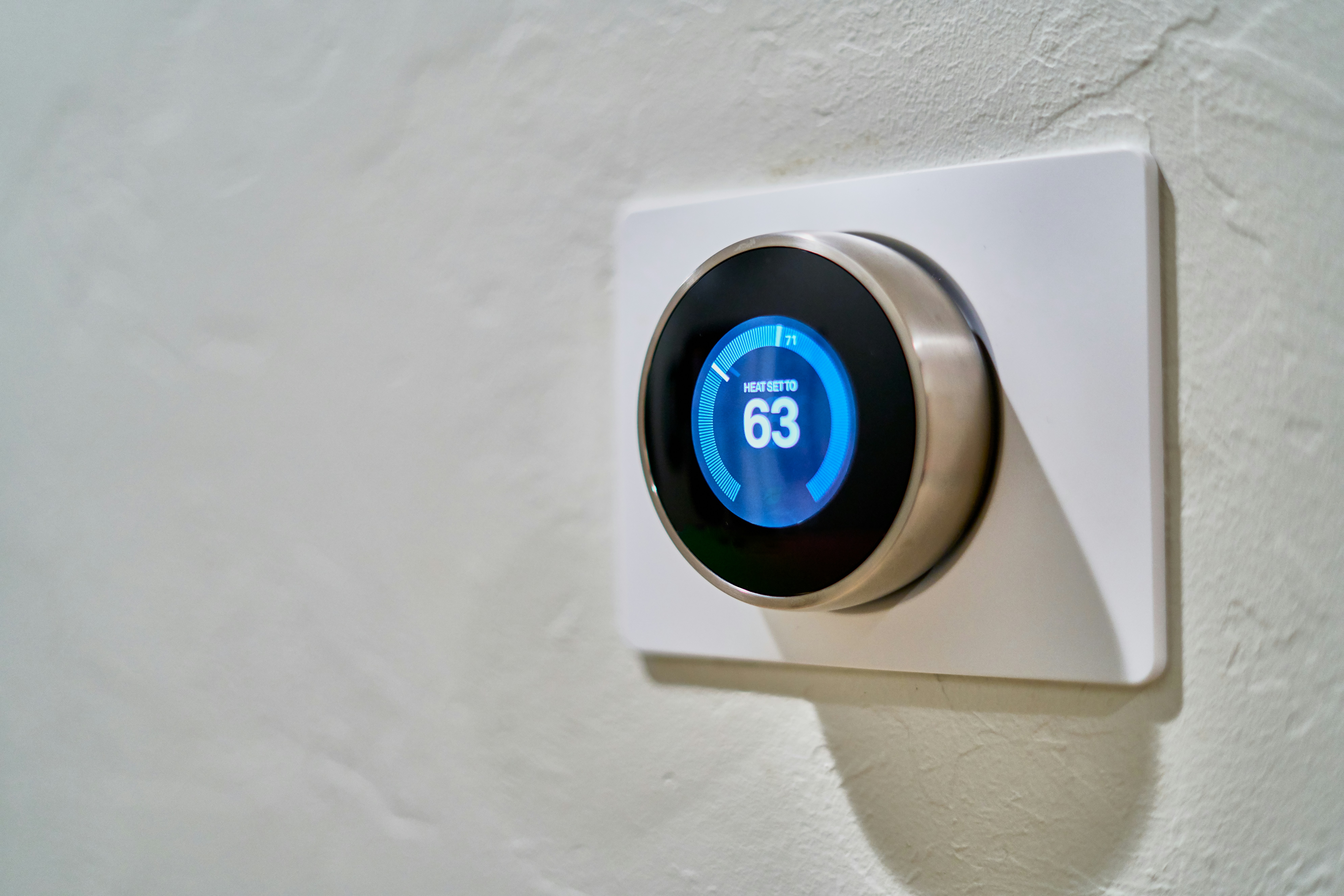
Walk into the best-designed homes being built right now in Scottsdale and you won’t see a single piece of technology. No glowing panels, no visible speakers, no thermostat breaking up a clean plaster wall. And yet these homes are extraordinarily intelligent. These home adjust their own lighting based on time of day. They know who just pulled into the driveway. They keep every room at exactly the right temperature without a single vent in sight.
That contradiction is the whole game in luxury remodeling right now. Homeowners want all of smart home integration Scottsdale, the automation, the security, the comfort, but they don’t want to look at any of it. And honestly? They shouldn’t have to.
The catch is that this kind of integration doesn’t happen by accident. You can’t finish a remodel and then call someone to “make it smart.” By that point, the walls are closed, the trim is in, and you’re stuck surface-mounting hardware that was never meant to be seen. The only way to get technology to truly vanish is to build it into the architecture from the start, right alongside your floor plan and your finish selections.
Lighting That Actually Understands the Room
Of all the smart home categories, lighting has come the furthest. And it’s the one that makes the biggest difference in how a home actually feels.
Forget the idea of pulling out your phone every time you want to dim a light. A well-programmed lighting system runs itself. You walk into the kitchen at 6 a.m. and the under-cabinet LEDs are already glowing warm and low. By mid-morning, the overheads have come up to full. When you sit down for dinner, the pendants above the table soften to something closer to candlelight while the hallway fixtures pull back to a gentle wash. None of this requires a single tap or voice command. It just happens.
The hardware side has caught up, too. Lutron’s Palladiom keypads mount flush and come in finishes that match your door hardware. But for clients who want zero visible controls, there are capacitive touch surfaces that hide behind wood or stone veneer. You press what looks like a blank wall and the room responds. That’s it.
Security You’d Never Notice (Which Is the Point)
Here’s what most people picture when they think “home security system”: a chunky white keypad next to the front door, maybe a few motion sensors in the corners of the ceiling shaped like little UFOs. That image is about fifteen years out of date.
Today’s contact sensors recess directly into door and window frames during framing. Once the trim goes on, they’re gone. Motion sensors have shrunk to the point where they tuck into can lights or sit inside crown molding details. Glass-break sensors fit within window mullions. If your contractor and your integrator are coordinating during rough-in, every single one of these devices disappears behind finished surfaces.
Cameras are the same story. A good integration team will house them inside exterior sconces, within eave returns, or behind custom millwork at entry points. All the wiring runs through wall cavities with no exposed conduit or junction boxes.
And that keypad by the front door? Replace it with a flush-mounted iPad recessed into a niche and finished to match the wall. Or skip the panel entirely and run everything from your phone. Most of our clients prefer that approach anyway.
Climate Control Without the Ugly Hardware
This is the one that surprises people. You spend months selecting the perfect wall color, the right texture of plaster, the ideal lighting plan, and then a standard HVAC register punches a hole right through all of it. Supply vents and return grilles are some of the most visually disruptive elements in residential design, and they rarely get the attention they deserve during planning.
Linear slot diffusers change the equation entirely. These narrow, almost invisible openings run along the junction where a wall meets the ceiling, delivering conditioned air through a gap that reads as an architectural reveal rather than mechanical hardware. Paint them to match the ceiling and they’re practically invisible. Pair that with radiant floor heating and you can eliminate much of the visible ductwork altogether.
For thermostats, flush-mount models sit within the wall plane instead of projecting off it, and several manufacturers offer custom faceplates to coordinate with your palette. Better yet, a whole-home zoned system managed through your central automation platform means you may not need individual thermostats in every room at all.
Start the Conversation Early
Every one of these solutions has something in common: they only work if they’re planned before the drywall goes up. Technology that’s part of the original design becomes invisible. Technology that’s bolted on after the fact always looks like exactly what it is.
If you’re starting a remodel and you care about both design and innovation (and you probably care about both, or you wouldn’t still be reading), bring your technology integrator into the conversation at the same time as your remodeler and your interior designer. Let them collaborate from day one. The homes that feel the most effortless are always the ones where that collaboration happened early. Check out some of the best smart home devices of 2026 here.
A truly smart home isn’t one filled with gadgets. It’s one where the technology serves the way you actually live, and then gets out of the way.
Ready to start integrating? Book a free consultation with ArDan Construction today.
Have a project coming up? Let's chat.
"*" indicates required fields