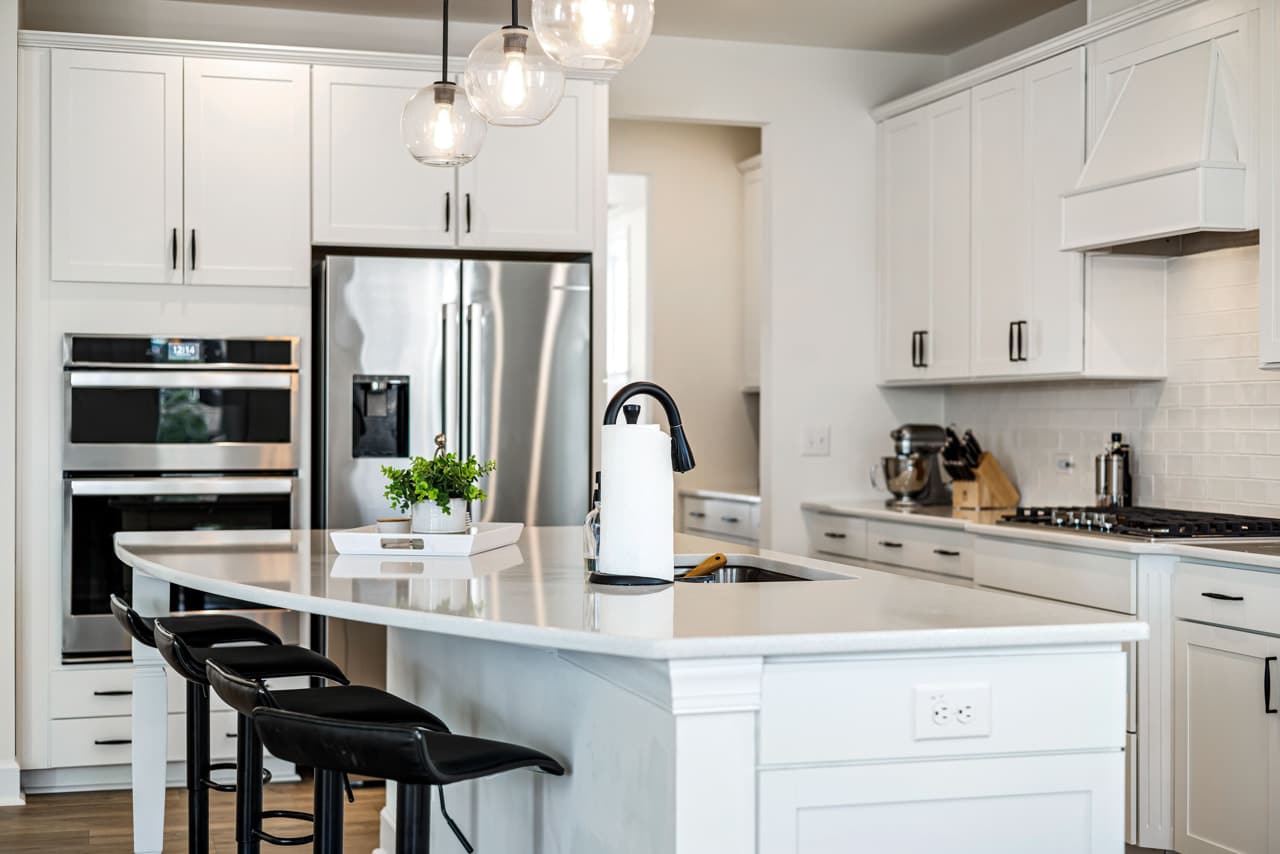
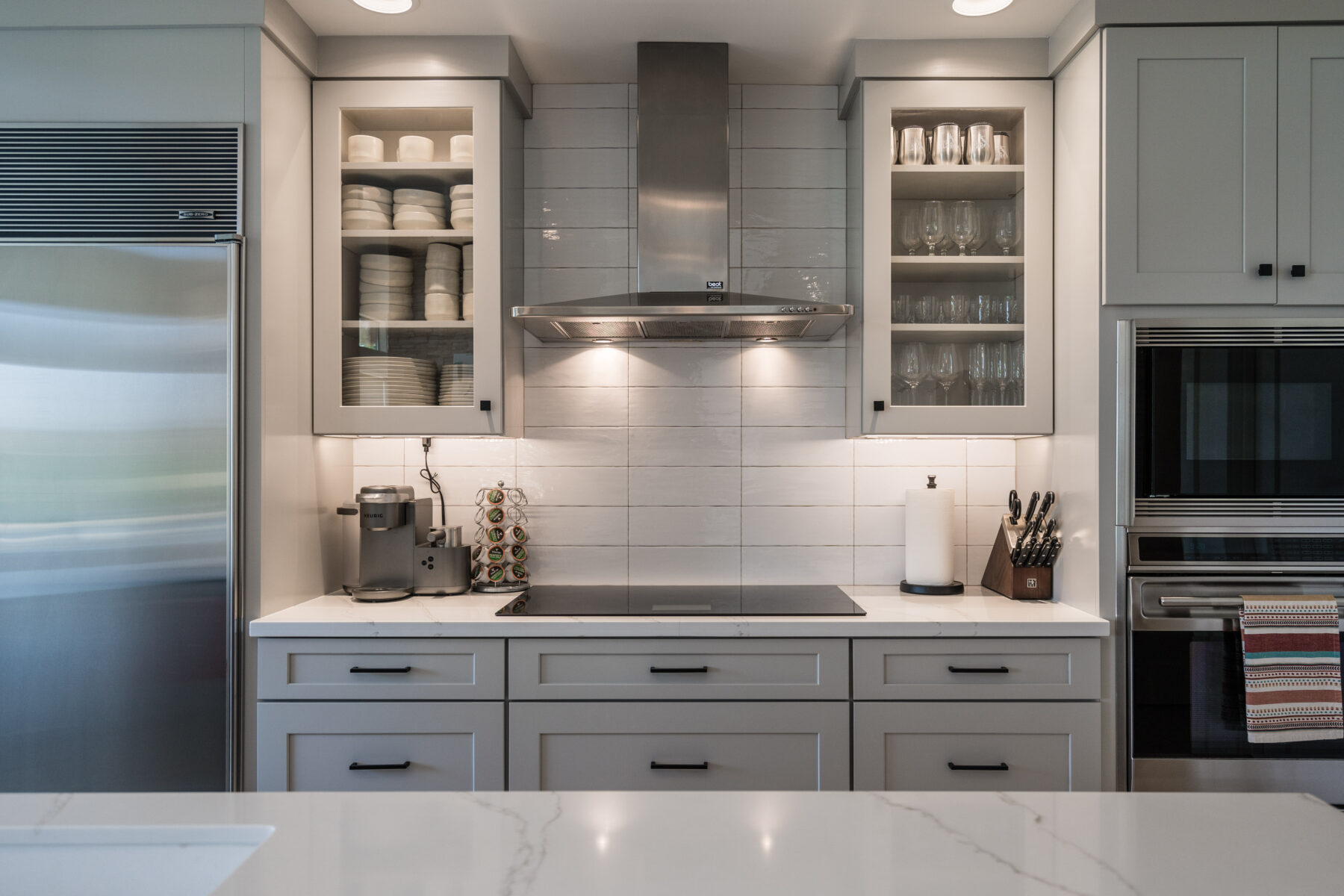
A new kitchen changes how you live, cook, and gather. Yet kitchen remodeling can feel like a maze of choices and costs. Use these ten clear tips to plan with confidence and avoid common headaches. We’ve also added four process tips on working with your contractor at the end.
1. Set a Clear Budget First
Decide how much you can spend, then stick to that number. Add a small cushion—about ten percent—for surprises so the project never blows past your limit.
2. Explore Design Styles Early for Kitchen Remodeling
Browse photos and visit showrooms to spot layouts you love. Whether you lean traditional, modern, or something in between, pick a style that fits your home’s look.
3. Bring in a Qualified Pro for Kitchen Remodeling
Hire a licensed contractor or design‑build firm for kitchen remodeling. A pro guides permits, schedules trades, and keeps work on time. Their know‑how saves both stress and money.
4. Plan Smart Storage
Look at everything you store—pots, pans, small appliances—and plan cabinets, pull‑outs, and drawers that fit them all. Good storage equals a tidy, easy‑to‑use kitchen.
5. Choose Tough, Easy‑Care Materials
Select quartz or granite counters, solid wood or plywood cabinets, and ceramic or porcelain tile. These surfaces stand up to chips, stains, and daily wear.
6. Map Out Layered Lighting
Use ceiling lights for full brightness, task lights under cabinets for prep work, and small accent lights for mood. Good lighting makes cooking safer and dining cozier.
7. Pick Energy‑Wise Appliances
Swap old units for Energy Star fridges, dishwashers, and ranges. You cut utility bills and shrink your carbon footprint at the same time.
8. Improve Ventilation
Install a strong range hood that vents to the outside during kitchen remodeling. Fresh air removes smoke, steam, and cooking odors, keeping cabinets and walls cleaner.
9. Select Durable, Easy‑Clean Floors
Go for tile, luxury vinyl plank, or sealed hardwood. Each choice resists spills and scratches and wipes clean with little effort.
10. Prepare for Daily Disruption
Set up a temporary cooking station with a toaster oven, microwave, and cooler. Plan simple meals or enjoy nearby takeout while workers transform your space.
Process Tips: Working With Your Contractor
The tips above cover design and product choices. These four cover how to work with your contractor so the project stays on track.
Research Your Contractors
Settle on your design first, then look for someone to build it. A good contractor is licensed and insured, and should be glad to show you their kitchen remodeling portfolio and provide references.
Get Everything in Writing
A solid contract spells out the work from demolition through final cleanup. It should cover materials, labor, how changes are handled and what they cost, and your warranty.
Name a Point of Contact
Even a well-planned project raises questions along the way. Choose one person on your side and ask your contractor to do the same, so progress updates and problems always have a clear home.
Plan for Changes
Something unexpected usually comes up, whether it’s a countertop choice that pushes you over budget or a structural surprise found during demolition. Expect it, keep your cushion handy, and be ready to adjust.
Ready to Begin?
Kitchen remodeling takes planning, patience, and a clear roadmap. Follow these steps, lean on trusted pros, and you will finish with a kitchen that looks great, works smart, and adds lasting value to your home.